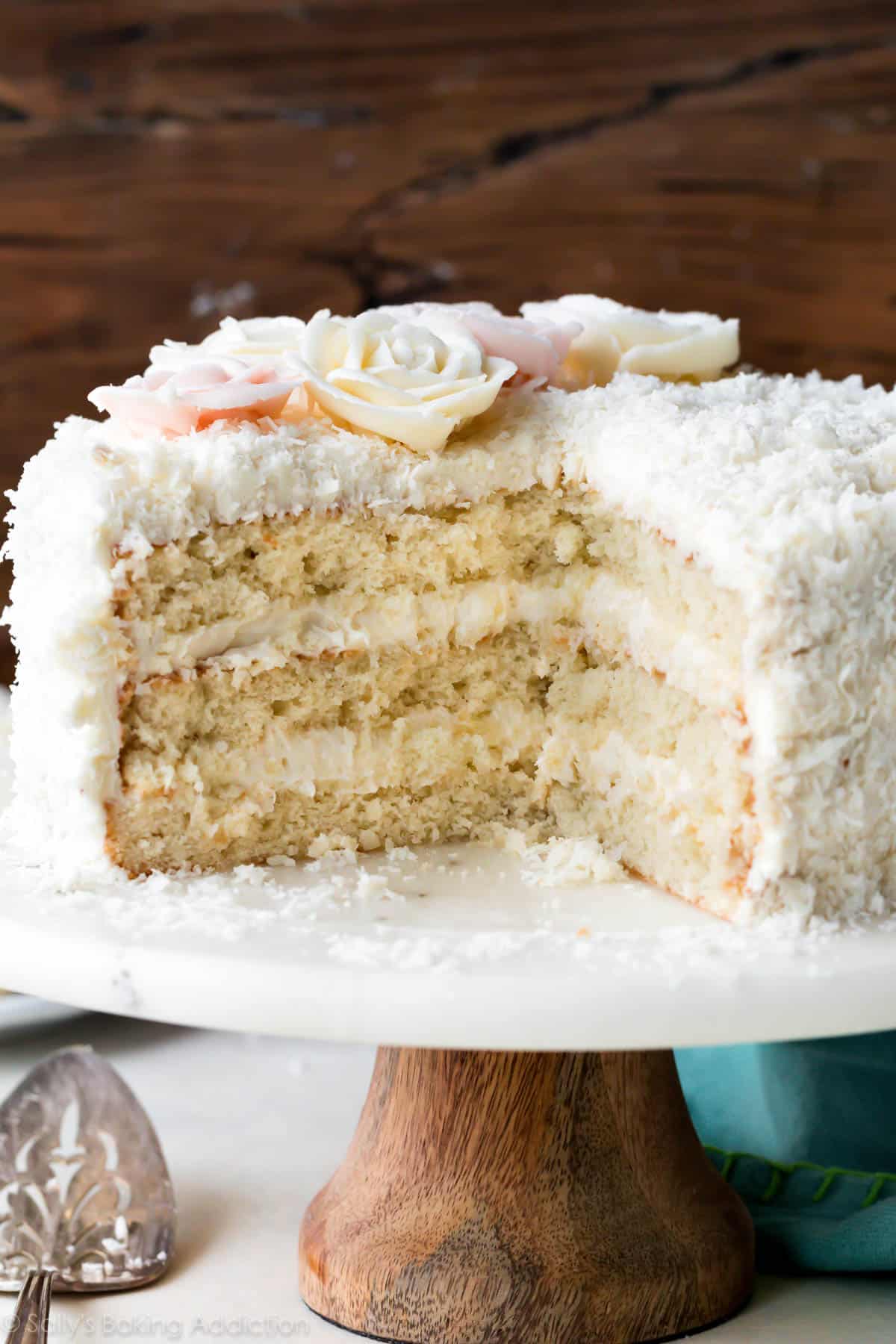
Mastering Coconut Cake: Unlocking Unforgettable Flavor and Texture
There’s a certain magic that happens when you bite into a perfectly crafted coconut cake. It’s a delightful dance of delicate sweetness, moist crumb, and that unmistakable tropical aroma that instantly transports you to sun-drenched shores. Far from being a one-note wonder, a truly exceptional coconut cake is a symphony of layered flavors and exquisite textures. Whether you're a seasoned baker or just starting your culinary journey, understanding the nuances of ingredients and techniques can elevate your homemade creation from simply good to absolutely unforgettable. Many bakers shy away from layer cakes, viewing them as complex endeavors. However, with the right approach and a few expert insights, mastering a luscious coconut cake is more achievable than you might think. This guide will delve into the secrets of enhancing flavor, achieving that coveted moist texture, and even embracing the art of patience for a truly superior result.The Foundation of Flavor and Moisture: Key Ingredients and Techniques
The journey to a sublime coconut cake begins with a careful selection of ingredients and a precise understanding of their roles. Coconut itself is a versatile ingredient, capable of contributing both texture and moisture in various forms.Shredded Coconut: More Than Just a Topping
While often seen as a garnish, shredded coconut plays a crucial role within the cake batter itself. When baked, it not only infuses the cake with its distinctive flavor but also helps to retain moisture, contributing to a wonderfully tender crumb. You can choose between sweetened or unsweetened shredded coconut, with sweetened often being preferred for cakes due to its added richness and tenderizing qualities. For an extra boost, consider using frozen flaky coconut or coconut shavings, which can add delightful pockets of texture and intensified flavor.
Beyond Cow's Milk: The Power of Coconut Liquids
One of the simplest yet most impactful ways to amp up the coconut flavor and moisture is by replacing traditional cow’s milk with coconut milk or even richer coconut cream in your batter. This substitution deepens the tropical notes and adds a luxurious richness that's hard to achieve otherwise. The higher fat content in coconut milk contributes to an incredibly moist texture, making your Unlock the Secret to a Moist, Flavorful Coconut Cake truly stand out.
Fats and Extracts: The Unsung Heroes
Butter and cream cheese (in the frosting) are essential for richness and a melt-in-your-mouth texture. Always ensure these, along with your eggs, are at room temperature. This allows them to emulsify properly, creating a smooth, homogenous batter and frosting that will yield a superior final product.
Don't underestimate the power of extracts. While pure vanilla extract is a given, a touch of almond extract is often cited by expert bakers, like Ina Garten, as a secret ingredient. It beautifully complements the coconut, adding a sophisticated depth without overpowering the primary flavor.
Mastering the Bake: Achieving Perfect Texture and Assembly
Baking a coconut cake isn't just about mixing ingredients; it's about technique. Small adjustments in your method can make a significant difference in the final texture.Mixing with Precision: Avoiding the Pitfalls of Overworking
A common pitfall for many bakers is overmixing the batter. When creaming butter and sugar, beat until truly light and fluffy (3-5 minutes), then add eggs one at a time, incorporating fully after each. It’s okay if the mixture looks slightly curdled at this stage—it will smooth out. When adding dry and wet ingredients alternately, mix just until combined. Overworking the gluten in the flour can lead to a tough, dense cake, a texture you absolutely want to avoid in a delicate coconut cake.
For those familiar with Ina Garten's Famous Coconut Cake: Easier Than You Think, her directions are incredibly helpful, emphasizing "mix until just smooth (don’t whip!)" for the frosting. This advice is gold: whipping cream cheese frosting can incorporate too much air, leading to a less stable and often grainy texture. A smooth, dense frosting is key to both taste and presentation.
Baking and Cooling: Patience is a Virtue
Whether you opt for a classic Bundt pan or two 9-inch round cake pans for layering, proper preparation is key. Greasing and lining your pans with parchment paper will ensure your cakes release effortlessly. Bake at the recommended temperature (typically 350°F or 175°C) until the tops are golden brown and a toothpick inserted into the center comes out clean. Resist the urge to open the oven door too frequently, as sudden temperature drops can cause cakes to sink.
Once baked, allow your cake layers to cool completely on a wire rack before attempting to frost them. Warm cakes will melt your beautiful frosting, leading to a messy, unattractive presentation and a less pleasant texture.
The Art of Assembly: Layering and Decorating
Assembling a layer coconut cake can feel daunting, but it's straightforward with a few tips:
- Leveling: If your cake tops are domed, carefully trim them flat with a serrated knife for stable layers.
- First Layer: Place the first layer top-side down on your cake stand or plate. This often provides a flatter, more stable base.
- Frosting: Apply an even layer of your rich cream cheese frosting. Don’t skimp!
- Second Layer: Place the second layer top-side up.
- Crumb Coat (Optional but Recommended): For a professional finish, apply a very thin layer of frosting over the entire cake (top and sides) and chill for 15-20 minutes. This traps any loose crumbs, ensuring your final frosting layer is perfectly smooth.
- Final Frosting and Decoration: Finish with a generous layer of frosting, then lovingly press sweetened shredded coconut into the sides and sprinkle it generously across the top for that iconic look.
Elevating Your Coconut Cake: Fillings and The Power of Patience
While a classic coconut cake with cream cheese frosting is divine on its own, adding a complementary filling can introduce exciting new dimensions of flavor and texture. Southern Living's array of suggestions, such as Lemon Curd, Cranberry Filling, or Whipped Chocolate Ganache, offers fantastic inspiration. A tangy lemon curd can provide a bright contrast to the sweetness of the coconut, while a chocolate ganache offers a rich, decadent counterpoint. Consider other tropical fruit fillings like passion fruit or lime curd for an extra burst of exotic flavor.The 3-Day Secret: Why Waiting is Worth It
Perhaps the most unexpected secret to a truly outstanding coconut cake is patience. The idea of a "3-day version" may sound excessive, but it's a game-changer. Allowing the cake to rest for a day or two after baking and frosting yields remarkable benefits:
- Flavor Intensification: The flavors have time to meld and deepen, becoming more harmonious and pronounced. The coconut flavor, in particular, becomes much more robust.
- Moisture Redistribution: The cake absorbs moisture from the frosting and any fillings, resulting in an incredibly moist and uniformly tender texture throughout. The cake literally gets moister with each passing day.
To enjoy these benefits, once frosted, cover your coconut cake loosely with plastic wrap and refrigerate. Let it come to room temperature for about an hour before serving for the best flavor and texture experience.
