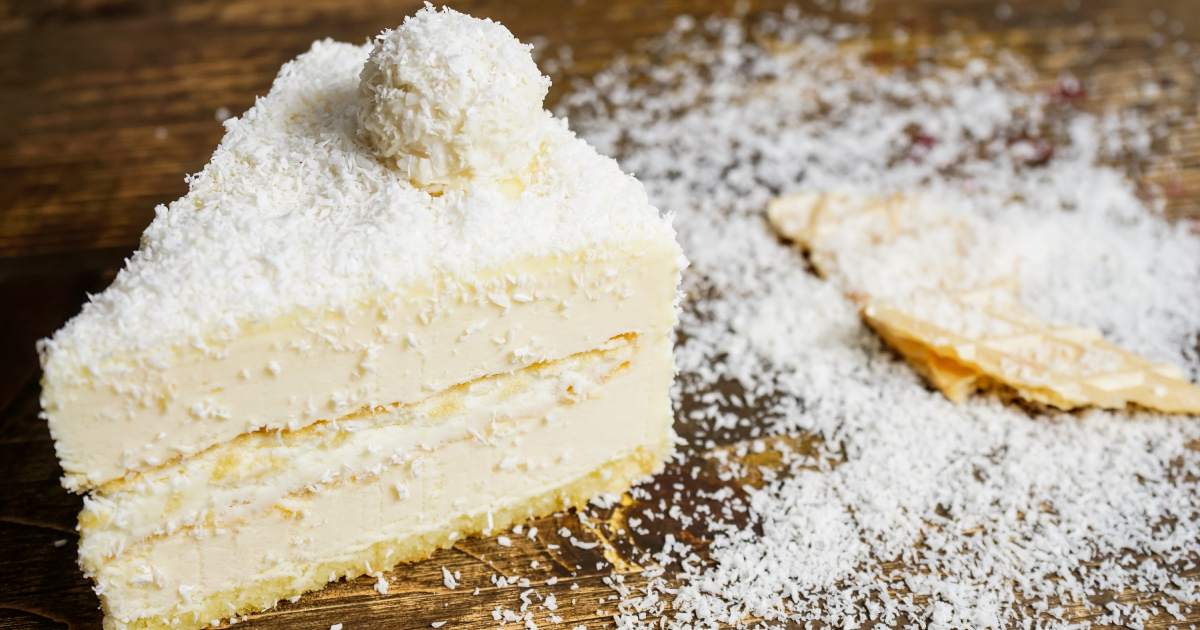
Unlock the Secret to a Moist, Flavorful Coconut Cake
Few desserts evoke a sense of pure delight quite like a perfectly baked coconut cake. Its tender crumb, rich texture, and unmistakable tropical aroma make it a beloved classic, particularly in Southern cuisine. Yet, many home bakers chase the elusive dream of a truly moist and intensely flavorful coconut cake – one that disappears from the plate almost as fast as it's served. If you've ever wondered how to achieve that bakery-quality masterpiece, you're in the right place. We're about to unlock the secrets to crafting a coconut cake that will have everyone asking for your recipe.
The Pillars of a Perfect Coconut Cake: Moisture and Multi-Layered Flavor
What truly sets an extraordinary coconut cake apart? It comes down to two critical factors: unparalleled moisture and a deep, authentic coconut flavor that sings in every bite. It's not enough to simply sprinkle some shredded coconut on top; the coconut essence must be woven throughout the entire cake, from the tender crumb to the creamy frosting.
Achieving Unrivaled Moisture
Moisture in a cake is a delicate balance, and coconut, in its various forms, is a magical ingredient that contributes significantly. Here’s how to ensure your coconut cake is never dry:
- The Power of Coconut Milk and Cream: Beyond just dairy milk, incorporating full-fat coconut milk or even rich coconut cream into your batter adds an incredible depth of moisture and a creaminess that regular milk simply can't match. The natural fats in these ingredients tenderize the cake and infuse it with a foundational coconut flavor.
- Sweetened Shredded Coconut: When baked into the batter, sweetened shredded coconut doesn't just add texture; it also releases its natural moisture and oils, contributing to a softer, more succulent crumb. While unsweetened coconut can be used, sweetened often provides a better moisture boost due to its higher sugar content, which helps retain water.
- The Secret Ingredient: Time. This might be the most overlooked, yet profoundly impactful, secret. Much like a fine wine or a hearty stew, a coconut cake often improves with age. Allowing the cake to rest for 1 to 3 days after baking and frosting gives the flavors a chance to meld and, crucially, allows the moisture from the frosting and any added coconut elements to fully permeate the cake layers. This transformative process results in an unbelievably moist and intensely flavorful cake that's well worth the wait. It's a true test of patience, but one that yields unparalleled results.
Unlocking Deep Coconut Flavor
To make your coconut cake sing, you need to layer coconut flavor using multiple sources:
- Coconut Extract: A little goes a long way. Coconut extract provides a concentrated burst of pure coconut essence that reinforces the natural flavor from other ingredients.
- The Almond Extract Revelation: This might surprise you, but many of the best coconut cake recipes, including famous ones, incorporate a touch of almond extract. It doesn't make the cake taste like almond; instead, it acts as a flavor enhancer, subtly amplifying the natural sweetness and "nutty" notes of the coconut, making the overall coconut flavor more vibrant and complex.
- Shredded Coconut (In and Out): Use sweetened shredded coconut not only in your batter but also pressed into the frosting on the sides and sprinkled generously over the top. For an extra touch of aroma and a slightly nutty flavor, consider toasting some of your shredded coconut before garnishing. This brings out a whole new dimension of flavor and provides a delightful textural contrast.
Mastering the Art of Coconut Cake Baking: Step-by-Step Excellence
While the prospect of baking a beautiful layer cake can seem daunting, with the right techniques and a little attention to detail, it's entirely achievable. Let's break down the process, drawing inspiration from tried-and-true methods.
Ingredient Preparation and Mixing Fundamentals
Success begins before you even turn on your mixer:
- Room Temperature is Key: Ensure your butter, cream cheese, and eggs are all at room temperature. This allows them to cream together smoothly and evenly, creating a stable emulsion that traps air for a light, tender cake.
- Creaming Butter and Sugar: This isn't just a suggestion; it's a vital step. Creaming butter and sugar together for 3-5 minutes until light and fluffy incorporates air into the mixture, which is crucial for a cake's rise and texture.
- Adding Eggs Gradually: Add eggs one at a time, mixing well after each addition. This helps to emulsify the mixture, preventing it from curdling excessively. Don't worry if it looks slightly curdled at this point; it will come together.
- Alternating Dry and Wet Ingredients: When combining your dry ingredients (flour, baking powder, baking soda, salt) with the wet (milk or coconut milk), do so in alternating additions, starting and ending with the dry. Mix on low speed until *just* combined. Overmixing at this stage can develop gluten, leading to a tough, dry cake.
- Gentle Folding: Once your batter is mostly mixed, gently fold in the sweetened shredded coconut. This preserves the airy texture you've worked hard to create.
Baking and Cooling Essentials
- Pan Preparation: For layer cakes, properly preparing your pans is non-negotiable. Grease and flour them thoroughly, and line the bottoms with parchment paper. This ensures easy release and prevents frustrating sticking. You can use two 9-inch round cake pans for a classic layered look or a Bundt pan for an elegant, simpler presentation.
- Baking to Perfection: Bake at the recommended temperature (often 350°F / 175°C) until the tops are golden brown and a toothpick inserted into the center comes out clean. Be mindful of your oven's nuances; baking times can vary.
- Cooling with Patience: Allow the cake layers to cool in their pans for about 10-15 minutes before inverting them onto a wire rack to cool completely. Attempting to frost a warm cake is a recipe for disaster, leading to melted frosting and crumbled cake.
For a deeper dive into Ina Garten's specific take on this classic, renowned for its surprising ease and delectable results, read our article Ina Garten's Famous Coconut Cake: Easier Than You Think.
Crafting the Perfect Cream Cheese Frosting
A classic cream cheese frosting is the ideal companion to a moist coconut cake, offering a tangy counterpoint to the sweet coconut. Again, room temperature ingredients are your best friend here.
- Room Temperature Cream Cheese and Butter: This is crucial for a smooth, lump-free frosting.
- Mix, Don't Whip: Blend the cream cheese, butter, vanilla extract, and almond extract on low speed until just combined. Then gradually add powdered sugar, mixing until smooth. The key here is "mix until just smooth (don't whip!)." Over-whipping can incorporate too much air, making the frosting too fluffy, less stable, and potentially grainy. You want a rich, dense, and creamy texture.
Assembling and Elevating Your Coconut Cake
Once your cake layers are cool and your frosting is ready, it's time for the grand finale:
- Layering for Stability: Place your first cake layer top-side down on your cake stand or serving plate. This creates a flat, stable base. Spread a generous layer of frosting, then carefully place the second layer on top, this time top-side up. This ensures a level cake.
- Frosting and Garnishing: Frost the top and sides of your cake evenly. For the quintessential coconut cake finish, generously sprinkle sweetened shredded coconut across the top and gently press the remaining coconut into the sides. This adds both visual appeal and another layer of delightful texture and flavor.
Elevate Your Coconut Cake: Fillings and Variations
While a simple frosted coconut cake is magnificent, you can elevate it further with creative fillings and variations. Southern Living suggests options like:
- Lemon Curd Filling: The bright, zesty tang of lemon curd provides a beautiful contrast to the sweet coconut, adding a layer of refreshing complexity.
- Cranberry Filling: For a festive touch or a tart counterpoint, a cranberry filling introduces a burst of fruity flavor and a vibrant color.
- Whipped Chocolate Ganache Filling: For the ultimate indulgence, a rich, smooth whipped chocolate ganache adds a decadent twist, marrying the tropical sweetness with deep cocoa notes.
These fillings transform a great cake into an unforgettable experience. Experiment with what suits your taste! Explore more advanced techniques and flavor boosts in Mastering Coconut Cake: Flavor Boosts & Perfect Texture.
Conclusion
Crafting a truly moist and flavorful coconut cake is a rewarding culinary journey. By understanding the critical roles of various coconut forms, embracing the power of patience (allowing the cake to rest), and paying attention to mixing and baking techniques, you can achieve a dessert that stands out. Whether you bake it for a special occasion or simply to satisfy a craving, these insights will help you unlock the secret to a coconut cake that is not just good, but absolutely unforgettable. Get ready to impress, because this is one cake that won't last long!
